For infection prevention and control teams, norovirus is the stuff of nightmares. This common GI pathogen can gain entry to hospitals via asymptomatic, colonized patients — and once it’s inside, it’s very difficult to eradicate. It can stay viable on surfaces for months, resistant to alcohol-based hand sanitizers and even some hospital-grade disinfectants.
In a webinar presentation, Robert Potter from the Children’s Hospital of Philadelphia and the University of Pennsylvania talked about how his team implemented new protocols to improve surveillance for hospital-acquired norovirus. The approach goes well beyond the traditionalward-based techniques that are commonly used for spotting nosocomial outbreaks, incorporating more advanced tools such as next-generation sequencing and phylogenetic tree analysis to identify outbreaks and track paths of transmission regardless of the location of patients’ rooms.
As assistant director of CHOP’s Infectious Disease Diagnostics Laboratory and director of outbreak investigations at the Center for Microbial Medicine, Potter is deeply involved in efforts to root out hospital-acquired cases of norovirus. For the work reported in his webinar, he deployed nanopore sequencing technology for whole-genomesequencing. The study includes two arms: a retrospective study based on norovirus-positive samples collected at the hospital from 2019 to 2024, and a prospective study in which new samples are sequenced on a regular basis as part of a surveillance protocol.
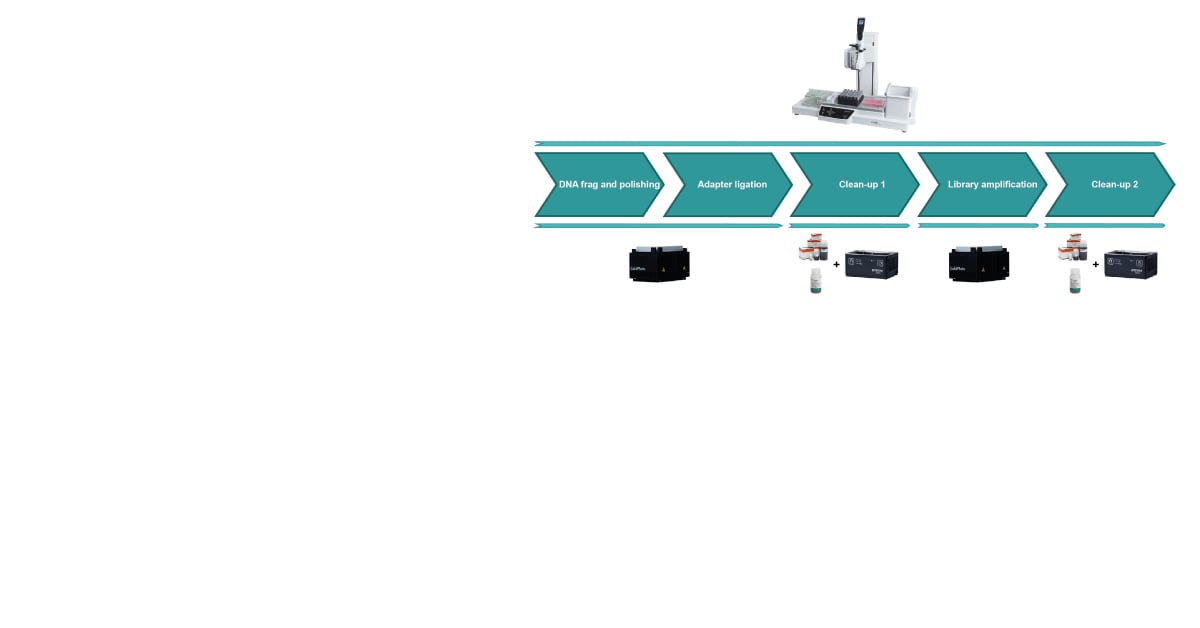
Prior to nanopore sequencing, which was done for the retrospective study by a service provider, Potter’s team uses PCR for full-length amplification of the viral genome. For their sample prep workflow, they switched from a different provider to products from Quantabio, including the qScript Ultra Flex Kit and repliQa HiFi ToughMix kit. This change sped up the workflow significantly: the time for first strand cDNA synthesis was cut in half, and the long PCR technique was slashed from about six hours to just one hour. In addition, theQuantabio-powered process led to a higher rate of successfully amplified samples.
In the webinar, Potter reported on data from 525 samples collected from more than 460 patients. A quality-control check based on expected genome size looked good. “We’re really happy with the quality of the assemblies, and that gave us confidence in our ability to interpret these results in an actionable way to help our patients,” he said. Genome analysis revealed both common and rare norovirus genotypes, with some seasonal fluctuation in prevalence.
SNP counting allowed the team to spot clusters of closely related genomes — the ones most likely to representhospital-acquired infections. Potter described a deep analysis of one outbreak, which could be traced back to the original patient and mapped to subsequent infections along with their location in the hospital. The prospective arm of the study has already identified one emerging nosocomial outbreak, allowing the infection prevention and control team to intervene quickly.
Ultimately, Potter hopes to expand the surveillance program within the hospital. His team is now performing their own nanopore sequencing. Together with the time saved by using Quantabio products, this should make it possible for the team to report same-day results and catch emerging outbreaks before they spread too far.